What Is an Anonymous Proxy?

Executive Summary
An anonymous proxy is a proxy server that hides the client's real IP address from the destination server, replacing it with the proxy's own IP, while still indicating (via HTTP headers like Via or X-Via) that a proxy is being used. This is the middle tier of the three-level proxy anonymity classification system: above transparent proxies (which expose the client's real IP) but below elite/high-anonymity proxies (which remove all proxy identification headers). This 3,000-word guide covers the technical mechanisms of each anonymity level, the specific HTTP headers involved, detection fingerprinting used by anti-bot systems, and practical guidance on choosing the right anonymity level for web scraping, market research, and privacy protection.
The Three Proxy Anonymity Levels
Proxy anonymity is not binary — it exists on a spectrum defined by what information the proxy reveals about the client to the destination server. The industry-standard classification uses three levels, defined by the HTTP headers the proxy adds, modifies, or removes from forwarded requests.
Understanding these levels is critical because most commercial proxy providers offer proxies across the anonymity spectrum, and choosing the wrong level for your use case will either expose your real identity or get your requests flagged and blocked by anti-bot systems. The three levels are:
Figure 1 — HTTP headers received by target server at each anonymity level
Level 1: Transparent Proxy — No Anonymization
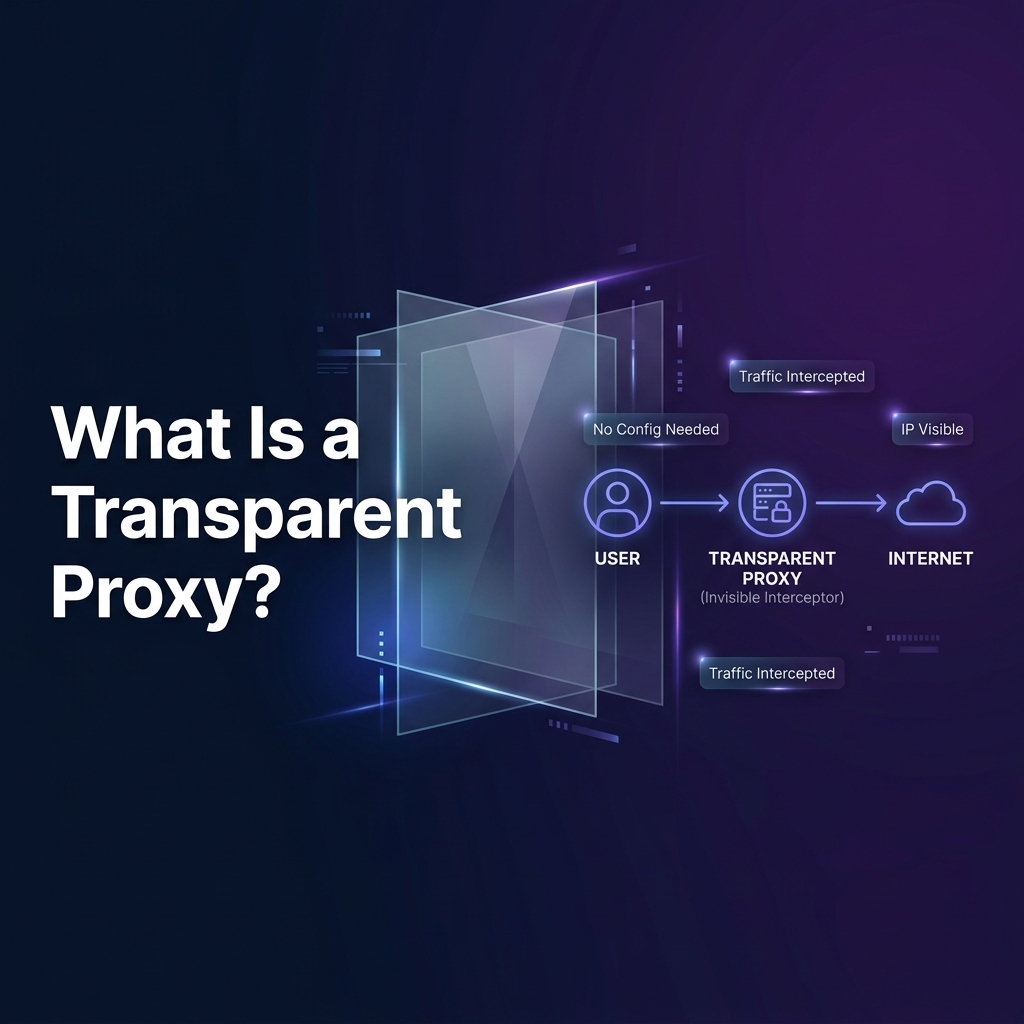
A transparent proxy provides no anonymization. It forwards the client's real IP address in the X-Forwarded-For header and typically adds a Via header identifying itself as a proxy. The destination server can see both the client's real IP and that a proxy is in use. Transparent proxies are not used for anonymization — they're deployed by ISPs and enterprises for traffic management and filtering, as described in our transparent proxy guide.
From an anonymization perspective, transparent proxies offer no benefit — they are worse than connecting directly, as they add extra header metadata that explicitly identifies proxy use. Never use a transparent proxy when anonymization is your goal.
Level 2: Anonymous Proxy — IP Hidden, Proxy Detectable
An anonymous proxy hides the client's real IP address from the destination server — the server sees the proxy's IP in REMOTE_ADDR. However, the proxy still sends headers like Via or a modified X-Forwarded-For (containing the proxy's own IP, not the client's) that reveal proxy usage to the destination server.
Anonymous proxies are the most common type used for general-purpose anonymization, including:
- Accessing geo-restricted content where only the IP location matters
- Basic privacy protection where exact proxy detection doesn't matter
- Price monitoring and market research on sites without sophisticated anti-bot systems
- Automated testing and QA where IP origin must match a target region
The limitation is that sophisticated websites (e-commerce platforms, social networks, financial services) run proxy detection systems that check for Via and X-Forwarded-For headers and immediately flag requests that contain them. For these targets, elite proxies are required.
Level 3: Elite Proxy (High Anonymity) — Maximum Anonymization
Elite proxies — also called high anonymity proxies or HIA proxies — provide the maximum level of anonymization. They send no proxy identification headers whatsoever. The destination server receives a request that appears indistinguishable from a direct browser request: REMOTE_ADDR is the proxy IP, and no Via, X-Forwarded-For, X-Real-IP, or any other proxy-related headers are present.
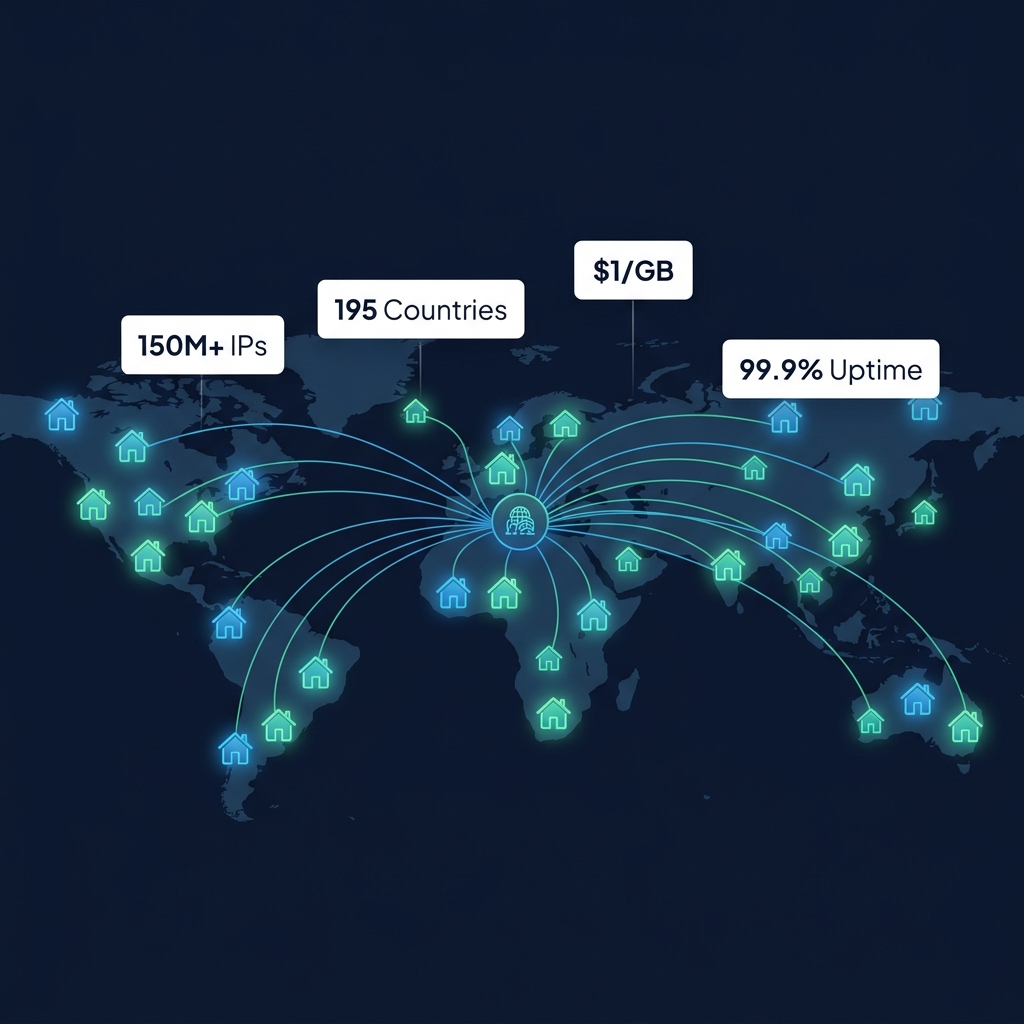
All commercial residential proxy networks — including Bright Data, Oxylabs, Decodo — provide elite-level anonymity by default for their residential IP pools. The IPs are real consumer ISP addresses, and the requests look identical to organic user traffic. See our full guide on elite proxies for a deeper breakdown.
Figure 2 — Actual HTTP headers received by server at each anonymity level
Anti-Bot Proxy Detection: How Sites Identify Anonymous Proxies
Modern websites and anti-bot platforms use multiple detection techniques beyond simple header inspection to identify proxy usage, even for proxies that strip proxy-identification headers:
IP Reputation Databases: Services like Maxmind GeoIP, IP2Proxy, and proprietary anti-bot databases tag datacenter IP ranges as proxy/hosting IPs. Even if no proxy headers are present, a request from an AWS, Google Cloud, or known proxy provider IP range will be flagged. This is why residential proxies provide far better anonymization than datacenter proxies for anti-bot evasion.
Behavioral Fingerprinting: Bot detection platforms like Cloudflare Bot Management, PerimeterX, and Kasada analyze mouse movement patterns, scroll behavior, typing cadence, and session timing. Even an elite proxy with a clean residential IP will be flagged if the request pattern is robotic — too fast, too uniform, or lacking JavaScript execution signatures.
TLS Fingerprinting (JA3/JA4): The TLS ClientHello message has a characteristic fingerprint based on cipher suites, extensions, and their order. Requests sent via Python's requests library have a different TLS fingerprint than Chrome or Firefox. Anti-bot systems check TLS fingerprints — elite proxy users must also use browser-like TLS configurations (e.g., via Playwright or curl-impersonate).
DNS Leak Detection: If the proxy resolves DNS locally (using socks5:// instead of socks5h://), the client's local DNS resolver's IP may be visible, leaking location information inconsistent with the proxy IP. See our SOCKS5 proxy guide for DNS leak prevention.
| Detection Method | Defeated by Anon Proxy | Defeated by Elite Proxy | Requires Additional Measures |
|---|---|---|---|
| Header fingerprinting | ✗ No (Via present) | ✓ Yes | None |
| IP reputation DB | ✗ If datacenter IP | Residential IPs needed | Use residential proxies |
| TLS fingerprint (JA3) | ✗ No | ✗ No | curl-impersonate / Playwright |
| Behavioral analysis | ✗ No | ✗ No | Playwright + human-like delays |
| IP geolocation | ✓ If proxy in target region | ✓ Yes | Geo-targeted proxy selection |
Choosing the Right Anonymity Level for Your Use Case
Selecting the appropriate proxy anonymity level requires matching the anonymity capabilities to the sophistication of your target's detection systems:
Anonymous proxies are sufficient for: Accessing geo-blocked content that only checks IP location, basic web scraping of sites without bot detection, SEO rank checking and SERP monitoring on standard search engines, price monitoring on simple e-commerce sites, and any use case where proxy detection by the target is acceptable or irrelevant.
Elite proxies (residential) are required for: Scraping sites protected by Cloudflare, Akamai Bot Manager, or PerimeterX; social media automation where account bans are costly; e-commerce scraping of high-security targets (Nike, Ticketmaster, sneaker sites); ad verification requiring organic traffic simulation; and any use case where appearing to be a real user is essential. See our guides on best proxies for web scraping, best proxies for sneaker bots, and proxies for social media automation.
Figure 3 — Proxy anonymity level selection decision tree
Frequently Asked Questions About Anonymous Proxies
Does "anonymous proxy" mean I am completely anonymous?
No. An anonymous proxy hides your real IP from the destination website, but the destination server can still detect that a proxy is being used (via Via headers). Your proxy provider also knows your real IP and has logs of your activity. For full anonymization, you need elite residential proxies combined with proper browser fingerprint management. True anonymity requires a combination of tools — no single proxy provides it.
Are free anonymous proxies safe to use?
Generally, no. Free anonymous proxy services are risky for several reasons: they often log all traffic (including passwords and session cookies for HTTP connections), they may inject ads or malware into HTTP responses, their anonymization claims are frequently false, and they may be run by malicious actors specifically to harvest credentials. For any serious use, always use a paid, reputable proxy provider. See our guide on are free proxies safe for a detailed risk analysis.
Internal Resources on Proxy Anonymity
- What Is an Elite Proxy? — Maximum Anonymization Guide
- What Is a Transparent Proxy? — Network Interception Explained
- Residential Proxies in 2026: Complete Guide
- How Anti-Bot Systems Detect Proxies (and How to Adapt)
- Are Free Proxies Safe? The Hidden Risks Explained
- Best Proxies for Web Scraping 2026
- Proxy vs VPN: Complete Guide
- Types of Proxy Servers Explained: Complete Technical Guide
- What Is a Rotating Proxy?
- What Is an HTTPS Proxy?
Written by PROXYIP
Our editorial team consists of network engineers and data scraping experts dedicated to bringing transparency to the proxy market. We specialize in distributed infrastructure and high-scale data acquisition.