The Technical Ledger
Deep dives into proxy orchestration, scraping resilience, and data collection at scale. Curated for the modern data engineer.
Latest Technical Publications

Implementing Scraper Retries
Building resilience into your scraper means implementing exponential backoff and jitter to intelligently retry failed requests. Additionally, moving ...

Managing Large Proxy Pools
Efficient pool management involves monitoring health, rotating based on target, and balancing load across different regions and provider networks. Ad...
Stay Ahead
of the Curve
Join 5,000+ data engineers who receive our bi-weekly proxy intelligence reports.

Understanding IP Rotation
Without rotation, your scraper will quickly be blocked. Rotating proxies allow you to spread requests across thousands of unique IPs, making your scra...
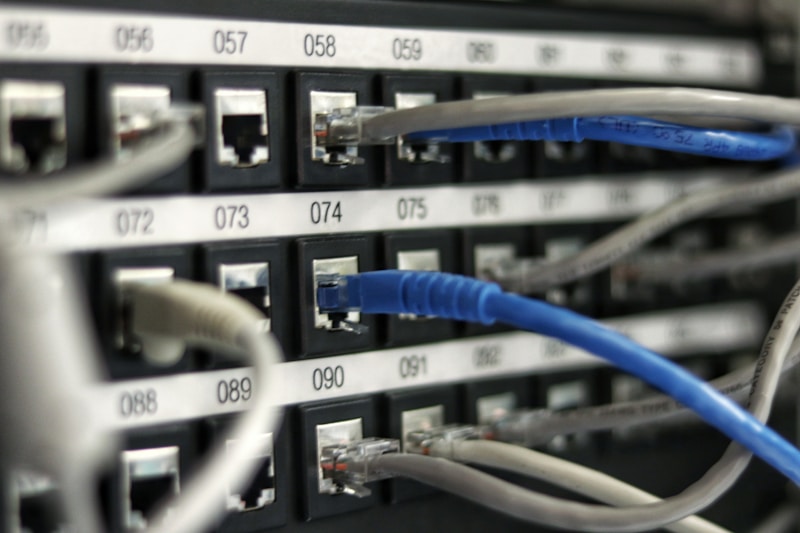
How to Bypass Cloudflare
Cloudflare uses various signals to detect bots, including TLS fingerprints, JS execution, and IP reputation. Bypassing it requires a combination of hi...

Protecting Against Bad Scraping
Understanding bot signatures and rate-limiting helps keep your data safe from competitors who might be trying to scrape your content. Additionally, m...

The Future of Web Automation in 2026: AI, 5G Proxies, and Beyond
# The Future of Web Automation in 2026: AI, 5G Proxies, and Beyond As we navigate through 2026, the world of web automation has undergone a seismic s...

Impact of Proxies on Load Times
Factors affecting latency include proxy location, server load, and protocol overhead. Learn how to minimize the performance hit. Additionally, moving...

Scaling Scraping Infrastructure
Using Kubernetes, message queues, and distributed proxy management to handle millions of pages daily across a global network. Additionally, moving in...
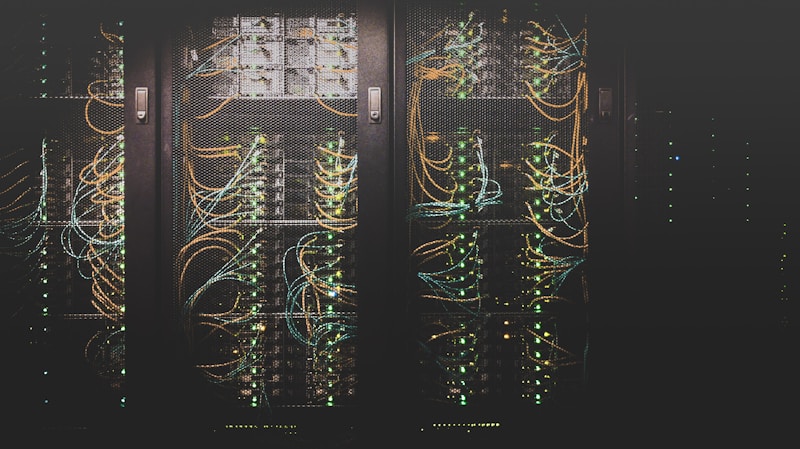
What are Residential Proxies?
Residential proxies are the gold standard for web scraping because they appear as regular home users. They are IP addresses provided by Internet Servi...